Volatile Organic Compounds (VOC): an underestimated risk inside our homes

The concept of air pollution often conjures up images of smog and industrial emissions, but there is a far more insidious threat: indoor pollution, largely caused by volatile organic compounds (VOCs). Although these pollutants are invisible and intangible, they can have a significant impact on health, especially in indoor environments such as homes and offices, where we spend much of our time.
VOCs are chemicals that easily evaporate in the air at room temperature. These compounds, which count solvents, paints, detergents, candles, fireplaces, cleaning products and even some building materials among their main representatives, are particularly problematic when found indoors, where limited ventilation can promote the accumulation and concentration of these substances.
The most common VOCs include benzene, formaldehyde and acetone.
Why is it a risk?

The main risk of VOCs is that, once emitted into the air, they can be easily inhaled. Because of their volatility, these compounds tend to disperse rapidly in indoor environments where their concentration can gradually increase, making the air polluted. Prolonged exposure to volatile organic compounds can have adverse health effects, including eye, nose and throat irritation, headaches and nausea, breathing difficulties, neurological disorders and nervous system damage. In more serious cases, some VOCs (such as benzene and formaldehyde) are classified as carcinogens. Symptoms from VOC exposure may vary depending on the duration of exposure and concentration levels, but some people may experience stronger reactions, particularly sensitive individuals such as children, the elderly and people with pre-existing respiratory diseases.
Several factors contribute to the accumulation of VOCs in indoor environments.
Construction and furnishing materials such as furniture, carpeting, paints, adhesives and pressed wood panels can emit VOCs into the air. The use of household chemicals including detergents, air fresheners, pesticides, and cosmetics can release volatile compounds into the air. Cigarette smoke is a major source of indoor pollution, as cigarette smoke is rich in harmful VOCs.
In poorly ventilated environments where air tends to stagnate, the concentration of VOCs increases, making pollution more relevant and dangerous. Scientific studies have shown that indoor air pollution can affect health much more severely than outdoor pollution, as enclosed spaces tend to have higher levels of pollutants and a lower chance of dispersion.
Prevent and reduce VOC pollution, together with Radoff
The good news is that it is possible to reduce the risk of VOC exposure with some simple but effective measures such as active and constant monitoring of air quality in our daily living spaces. In addition, adopting conscious behaviors and choosing safer materials and products can make a big difference by creating healthier and more protected environments. The quality of the air we breathe inside our homes or offices is not only a matter of comfort, but also of health. Taking care of it is the first step toward a safer and healthier environment.
Find out what you breathe, together with Radoff:

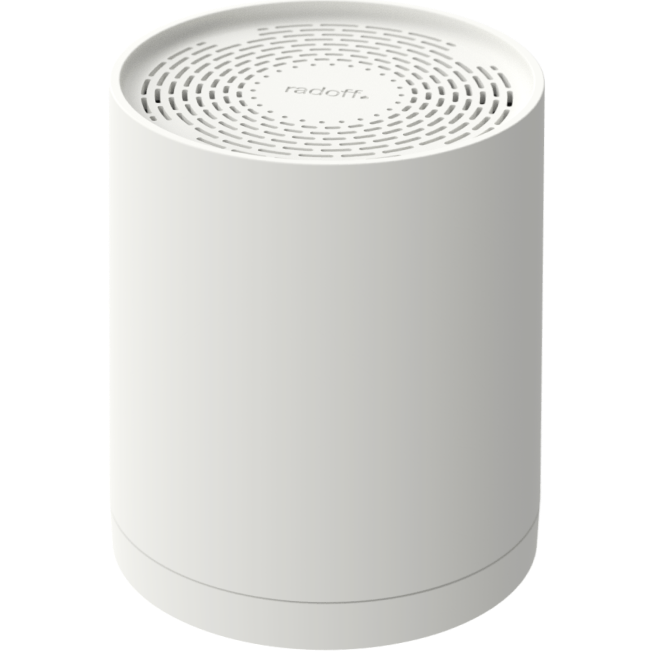
If you have a business and care about the well-being of employees and customers, contact us to find the perfect solution for your business.
Contact: https://radoff.life/en/form-business