Autumn and Daylight Saving Time: How Indoor Air Quality and Rhythms Are Changing

The arrival of autumn brings warm colors, cooler temperatures, and the return of indoor life. With the shift to daylight saving time, the days become even shorter, and we spend even more time indoors: at home, in offices, or in enclosed spaces. This change affects not only our biological rhythms, but also the quality of the air we breathe.
With daylight saving time, the sun sets earlier, and natural light decreases in the afternoon. This shift affects our behavior: we spend less time outdoors, turn on lights and heating earlier, and tend to keep doors and windows closed longer.
The result will be a warmer and more comfortable environment, but also less ventilated, with increased concentrations of CO2, humidity, fine dust, and pollutants emitted by materials, cleaning products, or simply the presence of people.
Autumn as an opportunity for more conscious well-being

During the cold season, air exchange is often neglected to prevent heat loss. However, stagnant air can compromise well-being and concentration, increasing drowsiness, headaches, and a feeling of “heavy” air.
Furthermore, insufficient ventilation promotes the accumulation of dangerous pollutants, including radon, a naturally radioactive gas that tends to concentrate in closed spaces, especially on lower floors, and the proliferation of mold and bacteria in high humidity.
To maintain good indoor air quality, even with the arrival of daylight saving time, it is useful to adopt certain precautions: ventilate rooms regularly, even for a few minutes, preferably during the middle of the day; manage heating properly, avoiding excessive temperature changes and maintaining relative humidity between 40% and 60%; choose low-emission materials and products; and constantly monitor air quality to take timely and informed action.
The change to daylight saving time reminds us that our indoor life is profoundly connected to the rhythms of nature. Adapting our spaces, habits, and technologies to the seasons means creating healthier, more efficient, and more sustainable environments. Caring for air quality isn’t just a matter of comfort, but an investment in health, productivity, and daily well-being.
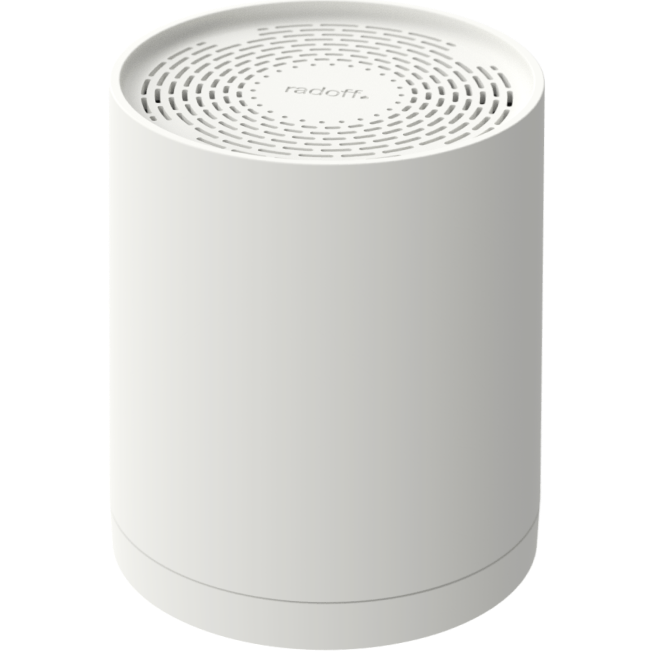
Discover Radoff solutions to stay up-to-date on what you breathe inside your home:

If you have a business and care about the well-being of employees and customers, contact us to find the perfect solution for your business.
Contact: https://radoff.life/en/form-business