Christmas and air quality: striking a balance between tradition and sustainability

With the arrival of the Christmas holidays, cities transform into bright and vibrant settings, enlivened by markets, glittering decorations, and activities that bring families and friends together. The streets fill with scents, colors, and sounds that evoke tradition and conviviality, contributing to a unique and eagerly anticipated atmosphere year-round.
However, behind this evocative backdrop lies a less visible but equally significant side: the environmental impact of Christmas celebrations, particularly regarding air quality. During the holiday season, emissions often increase due to various factors.
The result is that, precisely during a time associated with joy and sharing, many cities may find themselves dealing with worsening air quality, with repercussions on people’s health and the environment. This scenario highlights the need to find a balance between celebration and sustainability.
Why does Christmas pollute?
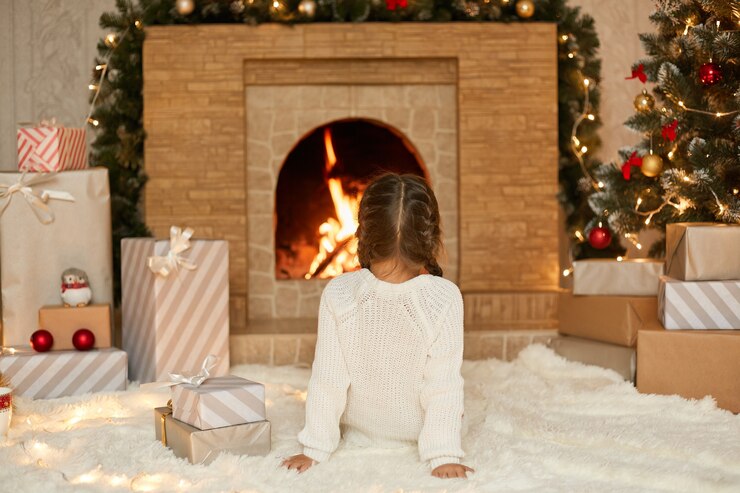
The Christmas season sees an increase in activities that can negatively impact air quality. Among these, home heating, which increases significantly during the winter, represents a major source of emissions, especially when inefficient systems or those powered by fossil fuels are used.
Added to this is the energy consumption associated with light decorations. Although today’s lights are predominantly LED and therefore more efficient, they still require energy, which, if sourced from non-renewable sources, leads to increased CO2 emissions. The Christmas season is also characterized by the widespread use of materials that impact the overall environmental impact: plastic decorations, often used for only a few years and difficult to recycle, and excessive gift packaging contribute to the production of waste and microplastics. The use of scented candles, widespread during the holidays, can also worsen indoor air quality by releasing volatile organic compounds (VOCs) and ultrafine particles.
All these elements taken together paint a picture in which the magic of Christmas is often accompanied by a significant environmental impact. Recognizing this is the first step to adopting more responsible behavior, reducing waste and favoring more sustainable solutions without sacrificing the holiday spirit.
People most exposed to polluted air

Increased concentrations of air pollutants during the holidays can aggravate respiratory and cardiovascular conditions, especially among the most vulnerable populations, such as the elderly, children, and those with chronic conditions. Indoor air quality also tends to deteriorate due to factors such as intensive use of heating, scented candles, cleaning products, and reduced ventilation. This can cause immediate symptoms such as eye, throat, and nose irritation, headaches, fatigue, and difficulty breathing.
Over the long term, constant exposure to pollutants can contribute to the onset or worsening of chronic respiratory diseases, such as asthma and bronchitis, and increase the risk of cardiovascular disease.
This situation highlights the importance of adopting more conscious behaviors and choices to protect not only the environment but also people’s health.
Towards a sustainable Christmas

Celebrating Christmas doesn’t have to conflict with environmental sustainability. Small everyday gestures can really make a difference. One of the easiest things to improve is gift wrapping: choosing recycled or recyclable paper, avoiding plastic-coated materials, and reusing boxes and bags from previous years can significantly reduce waste. Choosing useful gifts, local products, or experiences also helps limit the environmental impact of transportation and packaging.
Another area to focus on is decorations. Opting for natural ornaments, made with pine cones, dried citrus fruits, or recycled materials, reduces the use of single-use plastic, while using natural beeswax or soy candles helps maintain good air quality in your home. The same goes for Christmas lights: choosing low-energy LED lights and limiting their usage times using a timer can reduce energy waste without sacrificing the festive atmosphere.
In this way, Christmas can become not only a time of celebration and sharing, but also an opportunity to embrace a more environmentally friendly lifestyle. In recent years, thanks to growing awareness, many families are taking concrete steps to reduce the environmental impact of the holiday season, following virtuous examples and promoting more responsible behavior.
Discover Radoff’s solutions to stay up-to-date on what you breathe in your home:


If you have a business and care about the well-being of employees and customers, contact us to find the perfect solution for your business.
Contact: https://radoff.life/en/form-business