Colds and winter allergies: what you need to know about indoor air quality
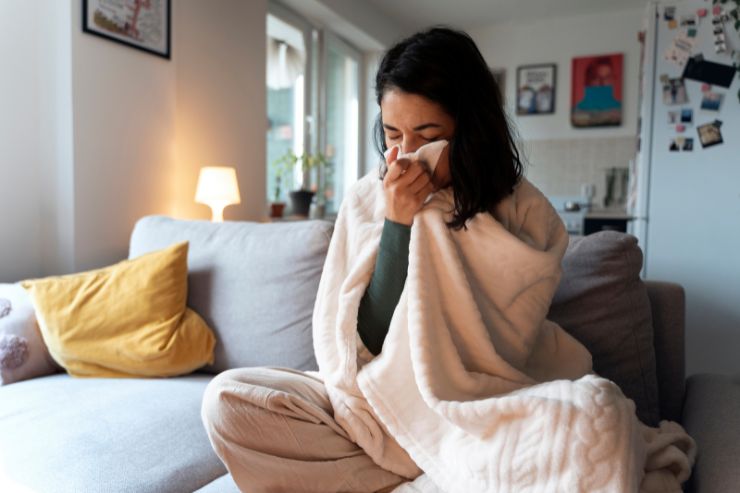
During the winter, we spend much of our time indoors: homes, offices, and schools. With heating on, less ventilation, and some bad habits, indoor air becomes much more polluted than outdoor air, contributing to the onset of colds, coughs, irritation, and the worsening of allergies.
Understanding how indoor air quality changes is essential for protecting the health of those most susceptible to it, such as children, the elderly, and allergy sufferers.
Why the risk of colds and indoor allergies increases in winter

With low temperatures, we tend to open windows less. This leads to the accumulation of dangerous pollutants such as viruses and bacteria, dust, volatile organic compounds (VOCs), and carbon dioxide (CO2).
CO2 concentration is an indicator of air quality: high levels indicate poor air exchange and promote the transmission of respiratory viruses.
Heating reduces humidity. Excessively dry air dehydrates nasal mucosa, weakens the respiratory tract’s natural defenses, facilitates the entry of pathogens, and worsens allergy symptoms (cough, dryness, itching).
What are the most common pollutants in indoor environments?
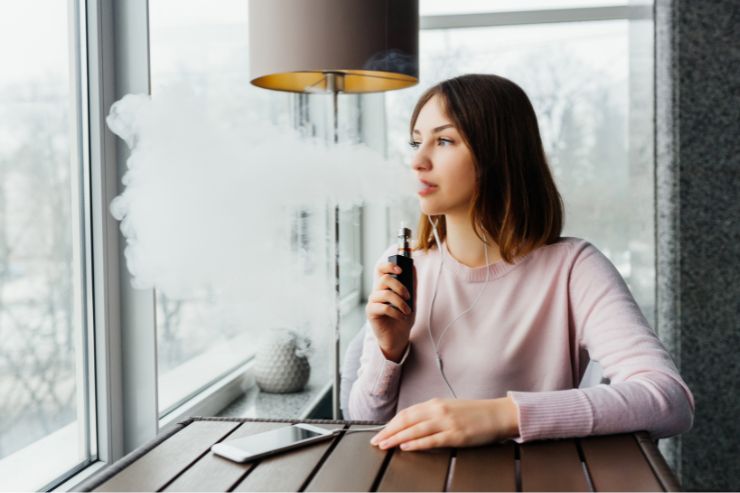
Harmful substances present in buildings include fine particulate matter (PM2.5 and PM10) from gas stoves, candles, cigarette smoke, and fireplaces. They can penetrate deep into the lungs and irritate the airways.
Volatile organic compounds (VOCs) released by cleaning products, paints, furniture, and scented detergents. Some VOCs can cause irritation, headaches, and worsening allergy symptoms.
Carbon dioxide (CO2) is not toxic in itself, but it is a good indicator of air exchange. High levels, in fact, indicate the presence of “stale” air.
Mold, which is very common in winter due to condensation and poor ventilation, can trigger allergies, coughs, and irritation.
How can we improve air quality?

Opening windows 5–10 minutes several times a day, maintaining the right humidity (between 40% and 60%), cleaning rooms frequently, monitoring the heating, and especially the air you breathe are excellent practices for maintaining a quality microclimate.
When the air becomes polluted, the most common signs are: recurring headaches, a feeling of “heavy” or stagnant air, irritation of the eyes, nose, and throat, frequent fevers or colds, worsening allergies, condensation on windows, and persistent odors.
Indoor air quality is a key factor in preventing colds, coughs, and winter allergies. Improving it doesn’t require large investments, but rather consistency and attention to daily activities: ventilation, adequate cleaning, and monitoring and reducing sources of pollution. Good air means better health and a more peaceful winter for the whole family.
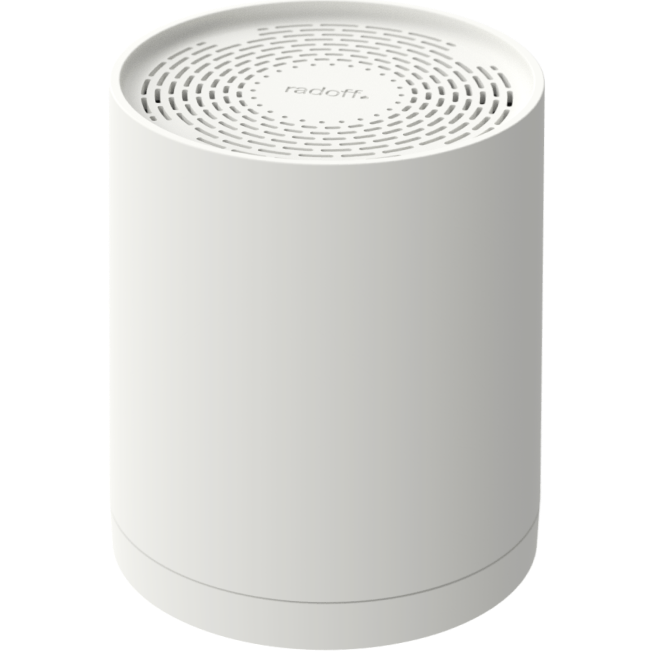
Discover Radoff solutions to stay up-to-date on what you breathe in your living spaces:

If you have a business and care about the well-being of employees and customers, contact us to find the perfect solution for your business.
Contact: https://radoff.life/en/form-business
Continua a leggere

Pollution ages the brain