Everyday things that pollute

Stop plastic but not only
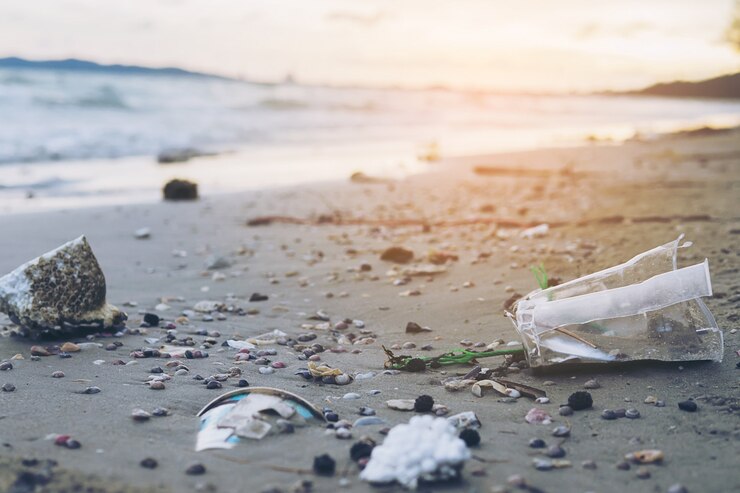
Microplastics are one of the most significant environmental pollutants.
They are those tiny plastic particles that pollute our seas and oceans.
Several scientific studies have shown that they are dangerous to human health and the environment, especially to marine and aquatic habitats. This is because plastic dissolves taking several years and as long as it is in water it can be ingested and accumulated in the bodies and tissues of many organisms.
While we continue to engage in the reduced use of microplastics, many consumers are unaware of the risks related to some everyday things that pollute.
Electronic mail

Each year each of us produces about 136 kg of CO2 just from our e-mail.
A 2019 study calculated that in the United Kingdom, avoiding unnecessary emails could save 16.433 tons of carbon per year, equivalent to more than 80 thousand flights between London and Madrid.
As we type words on our keyboards we consume electricity, the same electricity that is used when we send and by the network infrastructure that stores messages in the cloud.
As Mike Berners-Lee, researcher and professor who contributed to the study, interviewed by the ‘‘Guardian” explains – “data centers use a lot of electricity. We don’t think about it because we don’t see the smoke coming out of our computers, but the carbon footprint of Information Technology is high and growing.”
”Think before you Thank”

The most polluting emails are those consisting of a word or so.
To raise awareness of the waste of energy caused by unnecessary e-mails, the ”Think before you thank” campaign was coined.
Before sending an email that contains a single word such as ”Thank you” (”Thank you”) or ”Bye” (”Hello”) one should ask oneself whether there really is any. What we need to think about is that avoiding a ”Thank you” or ”Bye” as a response can help to combat the climate crisis.
Stephen Moss, an English natural historian, comments on this in the ‘‘Guardian” – “Be rude, don’t thank and save the planet.”
Chewing gum

Common chewing gum is among the top pollutants.
Its raw material is a polymer derived from petroleum, and what makes it elastic is polysobutene, an environmentally harmful lubricant that is non-biodegradable and highly polluting.
Chewing gum takes about 5 years to decompose.
It is estimated that there are more than 560 thousand tons of chewing gum thrown on the ground in a calendar year, and it costs 10 times as much to remove it as it did to produce it.
Cigarettes
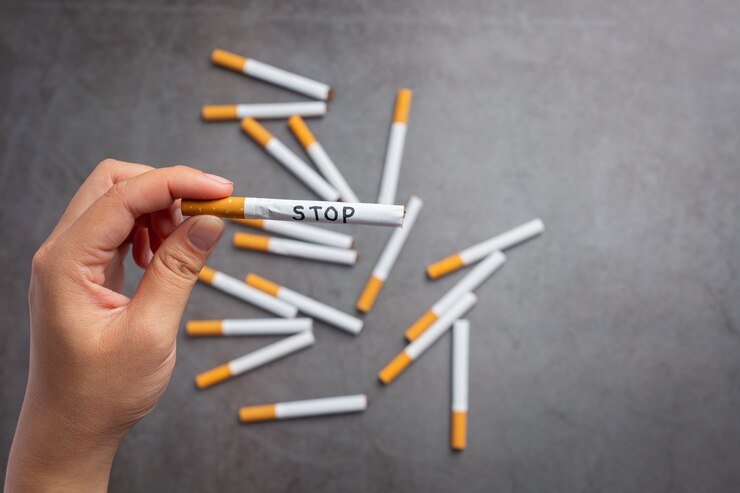
Cigarettes pollute the air, starting with the smoke they make the moment they are lit.
We are familiar with the harmful effects of smoking on our health, but it is also necessary to consider the consequences that the use, transportation and production of cigarettes have on the environment and the quality of the air we breathe.
Smoking a single cigarette emits 14 grams of CO2 equivalent. Over a lifetime, a smoker who smokes 1 pack of cigarettes a day for 50 years contributes 5.1 tons of CO2 equivalent to the atmosphere.
An amount of carbon dioxide that would require 132 seedlings to grow for 10 years to compensate.
It is estimated that about 46% of the waste polluting our streets is cigarette butts.
Tires
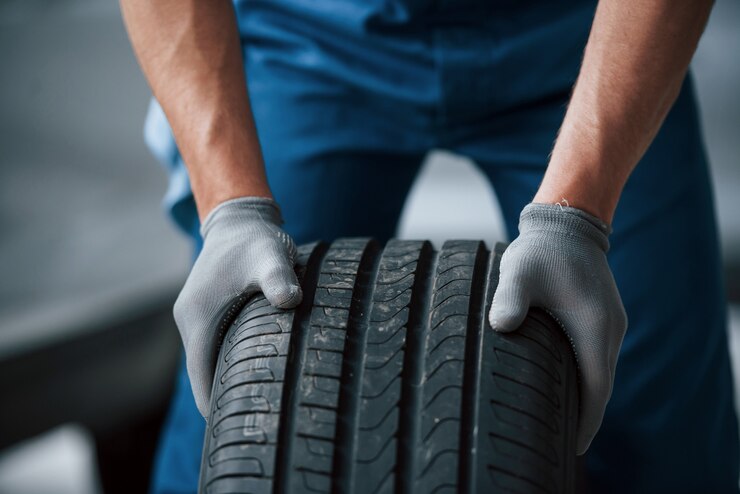
Tires are among the most common plastic pollutants in the world, as according to a 2017 study by the Open University of the Netherlands, car tires make up about 10% of all microplastics in the world’s oceans.
In addition, let’s not forget the amount of dust that tires release into the environment and through respiration reaches our lungs causing allergies, asthma and cardiovascular disease.
Firewood

All studies on indoor pollution, conducted in both developing and industrialized countries, show that the burning of wood inevitably produces many toxic compounds and particulate matter.
Wood smoke may contain some chemicals listed as hazardous by the EPA (Environmental Protection Agency-USA), and classified as carcinogenic by the IARC (International Agency for Resaerch on Cancer).
Plastic Straws
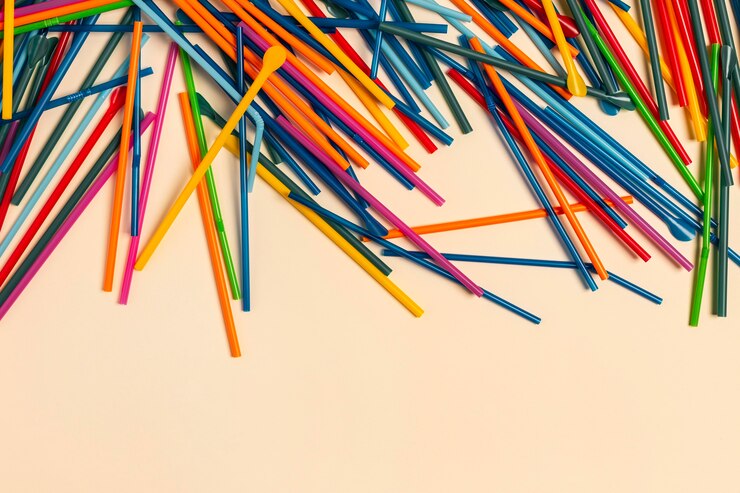
Sappiamo bene che la plastica è uno dei materiali che più inquina i mari e le strade.
L’inadeguato smaltimento delle cannucce di plastica è arrivato sulle spiagge e a causa delle loro piccole dimensioni vengono spesso ingerite dagli animali marini.
Si stima infatti che in un anno siano oltre 500 milioni le cannucce che, invece di essere riciclate, finiscono nel nostro ecosistema impiegando svariati anni per decomporsi.
L’altra caratteristica dannosa delle cannucce di plastica è la loro composizione poiché sono fatte da materiale non biodegradabile.
Molte aziende del settore food in Europa stanno prendendo le contromisure adeguate sostituendo la plastica con materiali facilmente riciclabili o velocemente biodegradabili come carta, acciaio e bambù.
Cotton flakes

According to the Marine Conservation Society, a British nonprofit organization fighting to protect the seas and oceans, Q-tips, being composed largely of plastic polypropylene, are a major source of pollution on UK beaches.
Once they end up in the sea or on our beaches, Q-tips can persist for a very long time, up to 100 years, then breaking down into microscopic particles and fragments that accumulate toxins from other pollutant sources.
Many Q-tips on the market today have replaced the plastic stick with a paper one.
Sunscreens

In May 2018 Hawaii became the first state in the United States to ban the sale and use of sunscreens containing oxybenzone and octinoxate, two chemicals that have a polluting effect on the marine ecosystem, especially coral reefs.
This phenomenon is getting bigger and bigger, and last year it affected the Great Barrier Reef causing the death of so many corals.
According to experts, chemicals in sunscreens facilitate the growth of viruses in algae that provide nutrients to corals, causing their death.
There are several eco-friendly sunscreens on the market that do not contain polluting chemicals.
Cleansing wipes

The French magazine ”60 Millions de Consommateurs” analyzed 12 brands of cleansing wipes to try to understand their composition, consumer safety and environmental impact.
What emerges is that these are products we should never buy.
All-purpose cleansing wipes contain a lot of plastic fibers, which means they take a long time to biodegrade and, therefore, are a major source of pollution to our waterways.
In addition, cleansing wipes contain many chemicals, allergens and fragrances that are certainly not good for your skin, especially if you use them assiduously.
Cleansing wipes, therefore, contribute to environmental and health impacts.
Diapers and pads

Disposable products such as diapers and sanitary napkins have a high plastic content and therefore are not easily recyclable.
There is no data on the amount of used pads and tampons that end up in waste each year, but according to estimates by Fater, the company that produces Lines pads and Pampers diapers, 900 thousand tons of absorbent products are produced in our country each year.
This is equal to about 2,5% of municipal solid waste.
To date, the market offers biodegradable and environmentally friendly tampons and diapers.
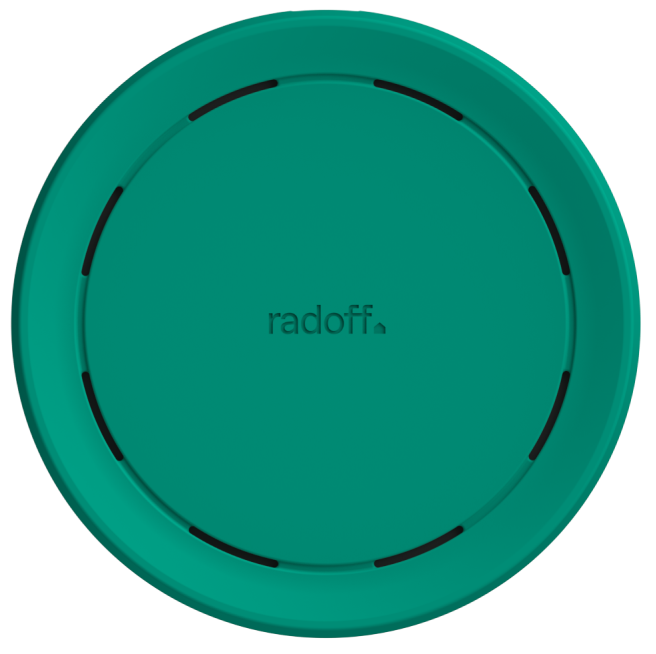
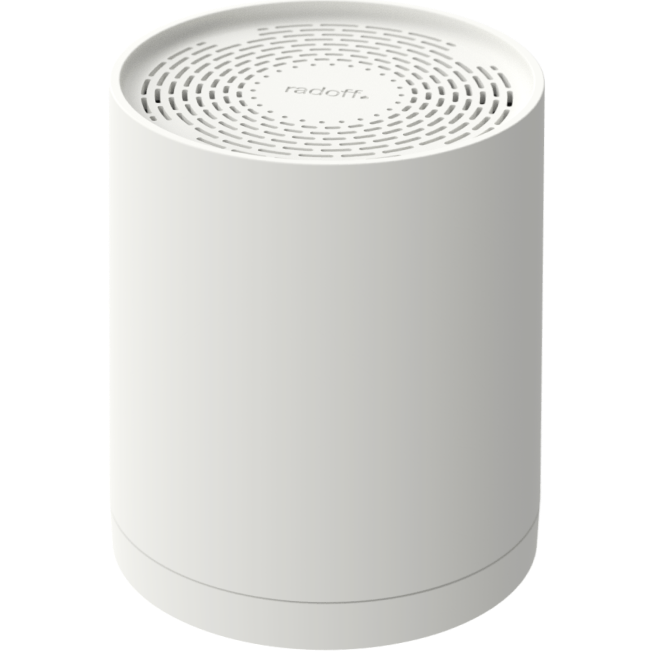
Discover Radoff’s solutions to stay up-to-date on what you breathe in your living environments:
If you have a business and care about the well-being of employees and customers, contact us to find the perfect solution for your business.
Contact: https://radoff.life/en/form-business