February 4: World Cancer Day

February 4 marks World Cancer Day, World Cancer Day, promoted by the Union for International Cancer Control (UICC) and supported by the World Health Organization (WHO).
According to the Ministry of Health, there are more than 370,000 cancer diagnoses in Italy each year. There are many events related to this day in which cancer doctors and associations around the world organize activities to raise awareness, creating moments of reflection on what each of us can do to fight this treacherous enemy.
It is not only about celebrating the progress of innovation in medicine but also about reflecting on the daily habits that affect each individual: the consumption of unhealthy products such as tobacco, alcohol, chemical foods and breathing bad air quality can lead to an increased likelihood of cancer development.
Can air pollution increase the risk of developing cancer?
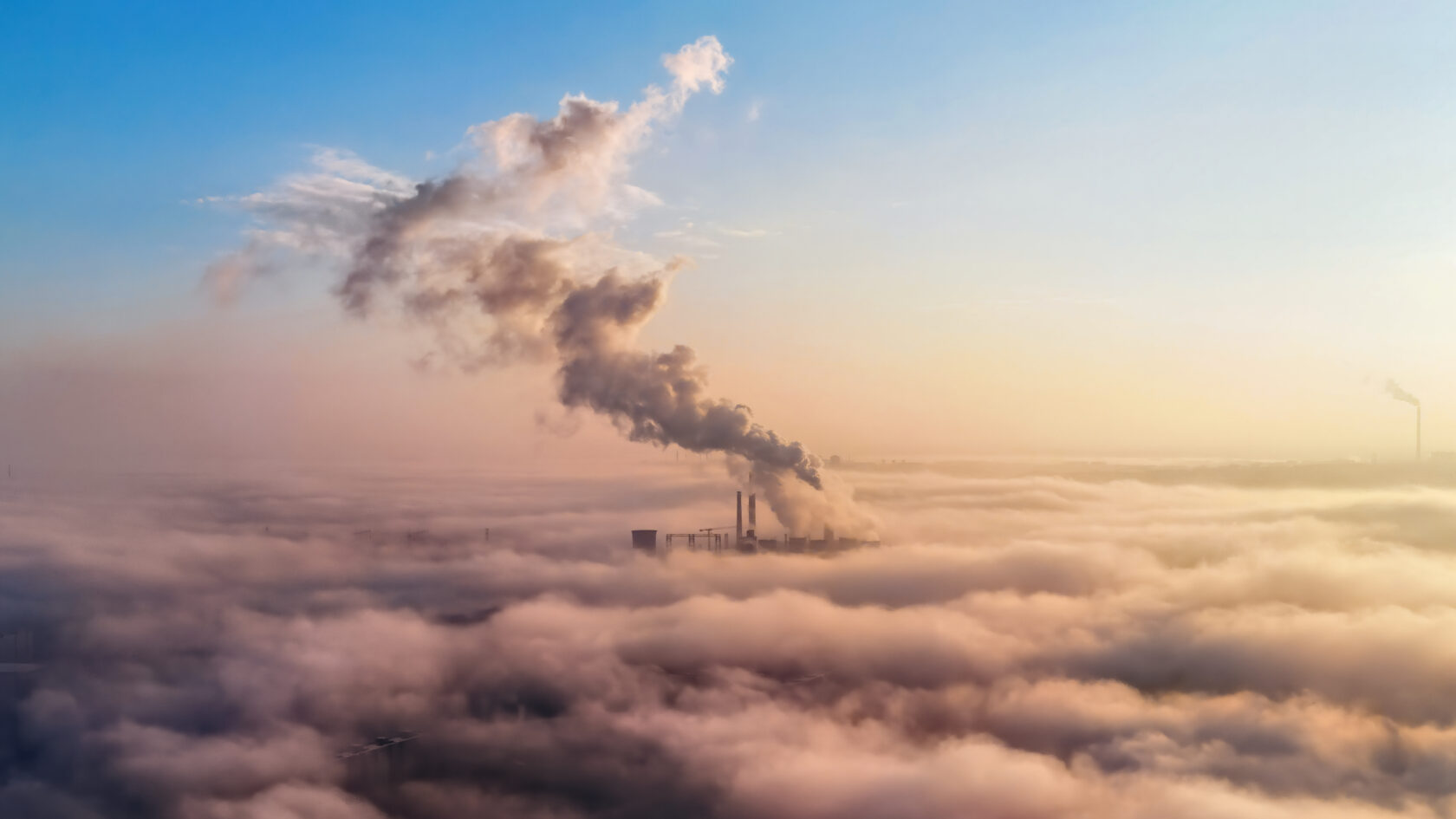
Unfortunately, the answer is yes. There is a scientifically proven link between pollution and inflammation of the lungs that may partly explain how poor air quality can promote the occurrence of this type of cancer.
The results of a study conducted in 9 countries on about 300,000 people followed for more than 13 years showed the relationship between increased particulate matter and the number of lung cancers, independent of other factors such as cigarette smoking. The International Agency for Research on Cancer (IARC) has classified air pollution and fine particulate matter among type 1 human carcinogens. In addition, there are a growing number of studies showing a link between air pollution and increased risk of cancers other than lung cancer.
The Superior Institute of Health’s SENTIERI study showed a 9% higher incidence of cancer of various types in males and 7% higher in females than the regional average in areas designated as highly polluted. Air pollution, according to World Health Organization (WHO) data, causes more than 9 million premature deaths each year worldwide.
Not only particulate matter: we also have to deal with radon gas
Radon is a naturally occurring radioactive gas that is odorless, colorless and tasteless; all characteristics that make it undetectable to our senses and therefore difficult to detect its presence. Radon is mainly found in rooms, especially those in direct contact with the ground, such as cellars, basements, taverns, and garages, because the ground is the main source in which this gas dwells, with the possibility, however, of radiating to rooms on higher floors as well.
The greatest danger of radon gas is related to inhalation: inhaled in excess quantities and for prolonged periods, it can in fact cause serious damage to health, particularly to the lungs, qualifying as the second leading cause of cancer risk, after tobacco smoke. According to the WHO, radon is classified as a grade 1 carcinogenic gas, the highest level. According to a study by the Istituto Superiore di Sanità, radon is responsible for 10% of lung cancers occurring in Italy.
Epidemiological studies have shown that the risk of lung cancer increases proportionally as radon concentration increases and as the duration of exposure increases. There is no value below which there is no risk because even at low concentrations radon can bind to fine particulate matter and form an agglomerate that is extremely dangerous to the health of those who breathe it.
Each of us can do something through prevention

World Cancer Day aims to save millions of preventable deaths by raising awareness about this disease and urging governments and all citizens to take action to prevent it. Up to 50% of cancer cases can be prevented.
Adopting a healthy lifestyle and undergoing routine medical checkups remain the most effective strategies for preventing any disease. Unfortunately, good and healthy habits are not always enough to ensure a life of well-being, but it is important to remember how important they are for keeping us in excellent health. Another effective prevention method is to constantly monitor air quality to gain a full understanding of what we breathe every day and the risks we run, so that we can take prompt action.
Discover Radoff EOS, the Environmental Intelligence Platform that monitors, interprets, and manages environmental conditions in real time, making spaces healthier, more efficient, and smarter. The system can be adapted to any business. If you own a company and care about the well-being of your employees and customers, contact us to find the perfect solution for your industry.
Contact us: https://radoff.life/form-business