Modern homes: more efficient, but less breathable?
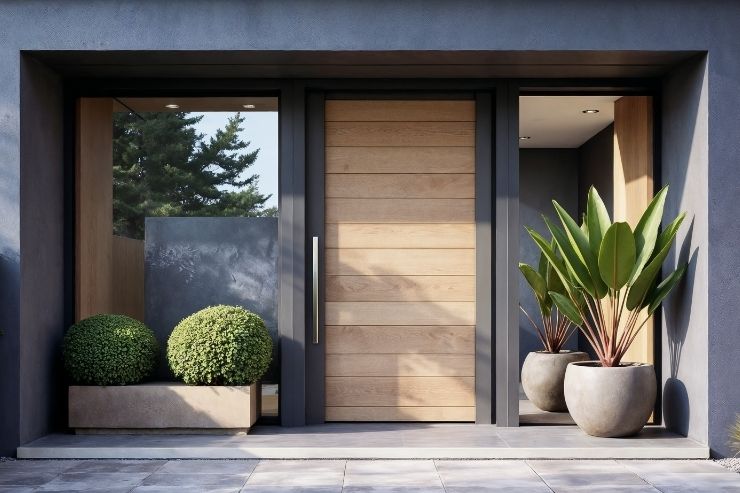
In recent decades, the construction industry has made impressive leaps forward in terms of energy efficiency. Passive houses, NZEB (Nearly Zero Energy Buildings), thermal insulation, and nearly perfectly sealed windows and doors all contribute to reducing consumption, emissions, and bills. But this evolution has brought with it an increasingly evident paradox: homes that consume less energy, but often breathe less efficiently.
Modern homes are designed to minimize heat loss. This means a highly insulated and airtight building envelope. While this is an energy success, it also drastically reduces natural air exchange, which once occurred through drafts, poorly insulated windows, and microcracks.
The result? Indoor air tends to stagnate and become a concentration of CO2 produced by occupants’ breathing, VOCs (volatile organic compounds) emitted by furnishings, paints, and detergents, excess humidity from kitchens and bathrooms, and fine dust from cooking, candles, and fireplaces. In some buildings, these pollutants can reach higher levels than those outside, especially in urban settings.
Comfort isn’t just about temperature

For years, the concept of home comfort was almost exclusively tied to temperature. Today, we know that comfort is multidimensional: air, light, acoustics, and environmental quality matter as much (and often more) than the degree on the thermostat.
A home can be warm in the winter and cool in the summer, yet still cause chronic fatigue, frequent headaches, difficulty concentrating, and a feeling of “heavy” or stale air. These are typical signs of poor indoor air quality, often normalized or attributed to stress.
Measuring the air to understand and improve it

You can’t manage what you don’t measure. Measuring indoor air quality is the tool that makes the invisible visible.
Monitoring parameters such as CO2, VOCs, fine particles (PM2.5, PM10), temperature, and humidity allows you to understand when the air is truly poor, assess whether ventilation is adequate, correct daily habits (ventilation, product use, cooking), and optimize the operation of systems.
In high-efficiency buildings, measurement becomes a key element of home health, complementary to energy management.
From the “smart” home to the “healthy” home

The smart home is often associated with lights, blinds, and energy consumption. The next step is the healthy home, where air quality becomes a central parameter, monitored and understood by its occupants. A truly modern home isn’t just one that consumes little, but one that protects health, supports cognitive well-being, and adapts to the people who live there.
Energy efficiency is a fundamental achievement, but it cannot be pursued at the expense of indoor air quality. The future of sustainable construction lies in the balance between energy savings, comfort, and health. Measuring the air we breathe at home isn’t a technological whim, but an act of awareness. Because a truly efficient home isn’t just one that disperses less heat, but one in which you can breathe better.
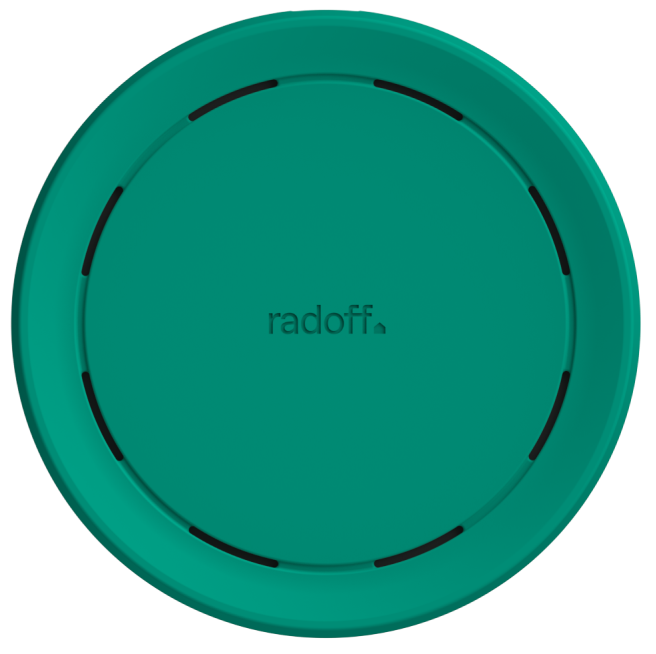
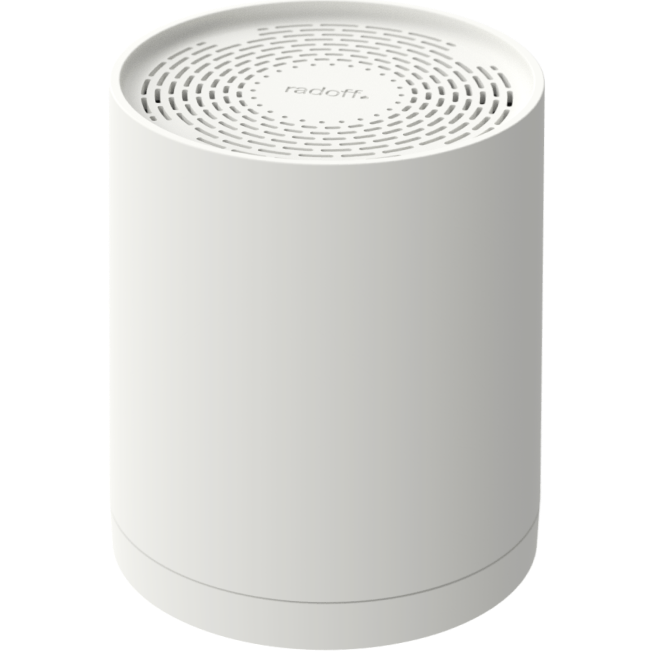
Discover Radoff solutions to start monitoring your daily living environments:
If you have a business and care about the well-being of employees and customers, contact us to find the perfect solution for your business.
Contact: https://radoff.life/en/form-business