November 17: World Premature Birth Day

Every year, approximately 15 million babies are born prematurely worldwide, meaning they are born before the 37th week of gestation. The causes are multiple: genetic, medical, social, and environmental, but today scientific research is increasingly highlighting an often overlooked factor: the quality of the air we breathe, especially indoors.
We spend up to 90% of our time indoors (homes, offices, schools, healthcare facilities) where the concentration of pollutants can be up to 10 times higher than outdoors.
The main sources of contamination include: volatile organic compounds (VOCs) released by paints, furniture, and detergents; fine dust, mold, bacteria, CO2, and poor ventilation.
For a pregnant woman, these factors represent a potentially risky combination for the developing fetus.
The importance of indoor air quality for maternal and neonatal health

Several epidemiological studies, including those published in The Lancet Planetary Health and Environmental Health Perspectives, have shown that prolonged exposure to air pollutants, even at low concentrations, increases the risk of preterm birth, low birth weight, and neonatal complications.
In particular, PM2.5 is associated with systemic inflammation and oxidative stress in the placenta, reducing oxygen supply to the fetus. The presence of VOCs in domestic environments can alter endocrine function and promote maternal inflammatory processes. Poorly ventilated or humid environments increase the risk of respiratory infections, with possible consequences for maternal and fetal well-being.
The World Health Organization (WHO) estimates that approximately 10% of premature births worldwide are attributable to exposure to air pollutants.
Prevention: Air quality starts indoors

Monitoring and improving indoor air quality is now a real public health action.
For pregnant women, adopting good prevention practices can make a difference: ventilate rooms regularly, even in winter, avoid scented candles and opt for natural cleaning products without VOCs or ammonia, and monitor the presence of pollutants in the home. World Premature Infant Day is an opportunity to reflect on the importance of environmental prevention as an integral part of maternal and child health.
Protecting expectant mothers from pollution means protecting life from its very beginning.
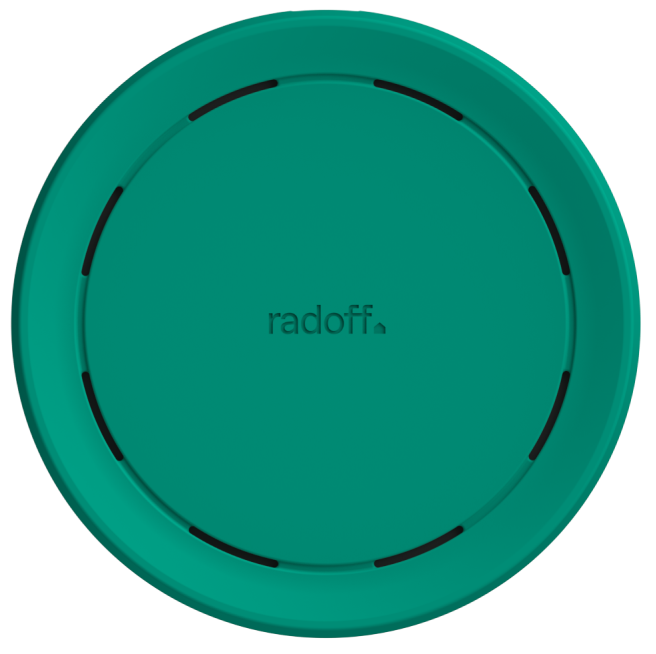
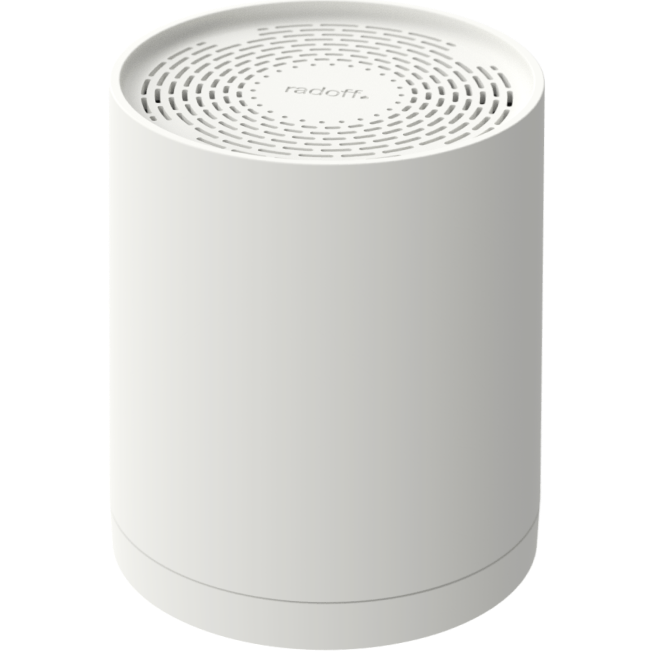
Discover Radoff solutions to stay up-to-date on what you breathe in your living environments:
If you have a business and care about the well-being of employees and customers, contact us to find the perfect solution for your business.
Contact: https://radoff.life/en/form-business