Waking up tired after 8 hours of sleep? It could be the air you breathe
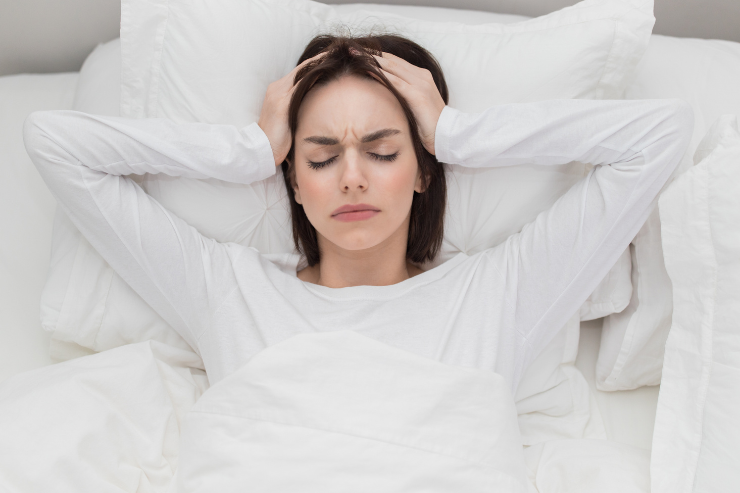
Sleeping with closed doors and windows turns your bedroom into a carbon dioxide (CO2) trap. During the night, our own breathing consumes oxygen and saturates the room: in just a few hours, CO2 levels can easily triple, exceeding the critical threshold of 1,000 ppm (parts per million).
This lack of oxygen prevents the brain from reaching deep, restorative sleep stages. Even if the clock shows eight hours of rest, the body wakes up in an oxygen-depleted state, leading to typical morning brain fog, headaches, and exhaustion right from the start of the day.
Inflammation from dust and VOCs
While we sleep, our airways fight an invisible battle against dust, mites, and Volatile Organic Compounds (VOCs), the chemical gases released by furniture, paint, and laundry detergents.
Even without full-blown allergies, breathing this toxic mix for eight consecutive hours causes constant micro-inflammation of the mucous membranes. The body reacts by congesting the nose and forcing us to breathe through our mouth: a less efficient way of breathing that fragments sleep, dries out the throat, and forces the body to work extra, canceling out the benefits of rest.
Measure to prevent: the importance of indoor monitoring

To truly solve the problem of morning fatigue, intuition is not enough: you need to measure what you cannot see.
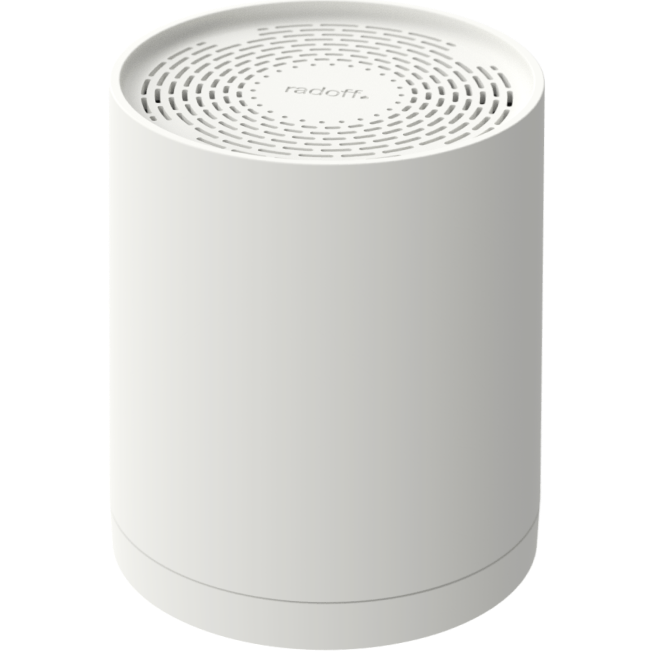
Introducing an indoor air quality monitor to your bedroom allows you to track key parameters in real time. Developing a real awareness of what we breathe at night is the first, essential step toward finally waking up refreshed and full of energy.
Discover Radoff solutions to stay updated on the air you breathe in your living spaces:

If you own a business and care about the well-being of your employees and customers, contact us to find the perfect solution for your company.
Contact us: https://radoff.life/form-business