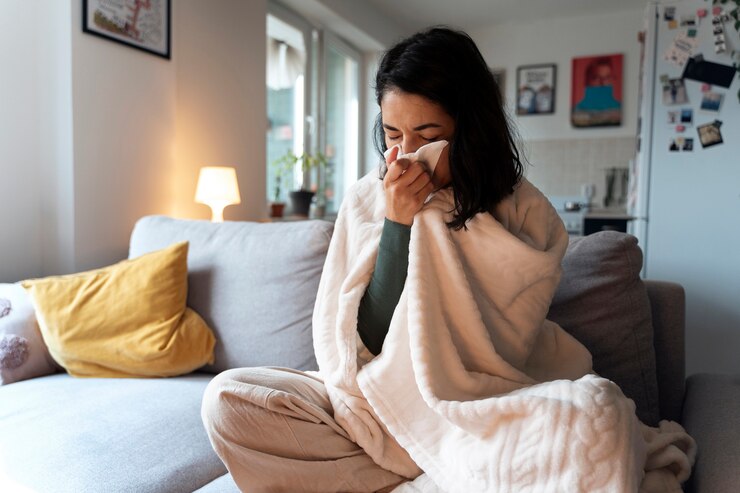
We breathe about 12,000 liters of air every day

Pollutants within domestic walls

From an early age, we’re taught that air pollution is a serious problem, responsible for millions of deaths each year.
In addition to outdoor pollution, we must also consider indoor pollution. People spend most of their time in enclosed spaces like their homes or workplaces—familiar environments where we feel protected and safe. But indoor air contains numerous contaminants that are harmful to human health. Breathing is an activity we perform independently and cannot do without. On average, we inhale about 12,000 liters of air a day. That’s why knowing what we breathe and ensuring it’s healthy is no small feat.
Passive smocking

One of the main indoor pollutants is cigarette smoke.
The World Health Organization emphasizes the fight against both active and passive smoking. Secondhand smoke has recently been classified as carcinogenic to humans. Non-smokers exposed to tobacco smoke are at risk of developing this disease, although less than smokers, but it affects 65% of the population, or approximately 20 million people. If this risk affects people with chronic diseases, pregnant women, or children, the resulting effects can be highly detrimental.
Particular matter

Fine particles, or particulate matter (PM10 and PM2.5), are so fine and light that they can remain suspended in the air and be inhaled. Composed of harmful substances such as heavy metals, sulfates, and nitrates, they can be harmful to human health.
Fine particles can absorb polluting gases and toxic vapors that reach the heart or lungs and can sometimes cause irreparable effects, especially in the most vulnerable.
Volatile organic compounds

These are chemical compounds capable of volatilizing, or evaporating easily into the air.
There are many sources of VOC pollution in indoor environments: cosmetic products, heating devices, cleaning materials, and cigarette smoke. VOCs can cause various side effects, from physical and psychological discomfort to serious health changes, affecting organs or systems affecting the central nervous system.
Radon gas
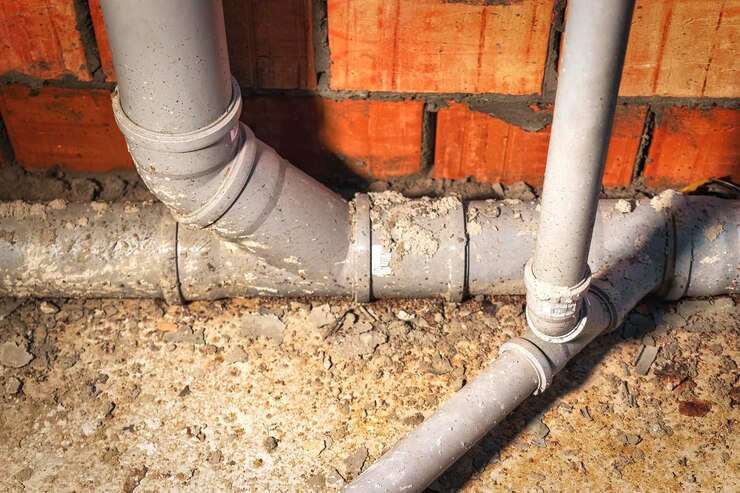
Radon is a noble, radioactive gas derived directly from the decay of uranium, which is naturally present throughout the Earth’s crust.
In the open air, this gas disperses without any harmful effects, but when it enters a confined space like a home, it gradually accumulates, reaching increasingly high concentrations that are potentially harmful to the health of those who breathe it.
Like all noble gases, radon is odorless and colorless.
These characteristics make it particularly difficult to detect, thus increasing its danger.
Carbon dioxide

Carbon dioxide (CO2) is a gas naturally present in the atmosphere in limited concentrations.
Carbon dioxide is among the greenhouse gases that contribute most to global warming. Human activity has increased its concentration in the atmosphere, reaching 40% above the level recorded at the beginning of the industrial era.
As CO2 levels rise in enclosed spaces, the cognitive abilities of people who work or live in such environments decline.
Increasing CO2 levels in the environment can lead to breathing difficulties.
Molds
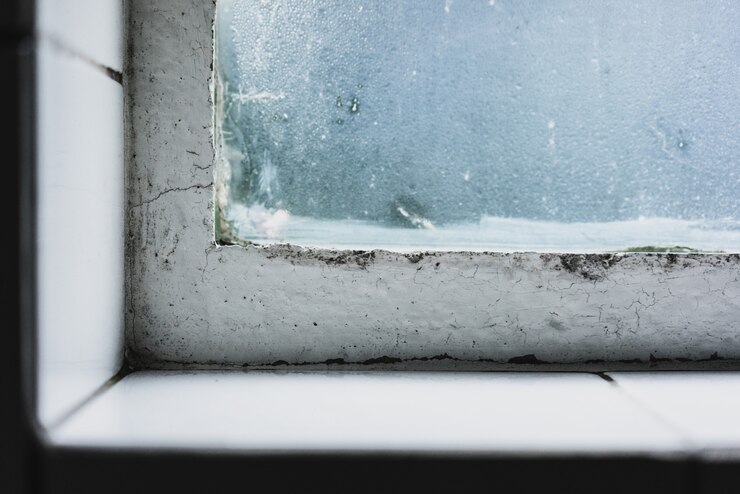
Molds are types of fungi that grow inside and outside buildings and are among the natural biological pollutants.
Some types of mold are harmless, while others are dangerous. The effects of mold on human health vary depending on their type, concentration, and the susceptibility of those who frequent particularly contaminated environments.
Molds can cause infections, trigger allergies, and cause a whole host of ailments whose true cause is often unclear, such as headaches, coughs, asthma, itching, difficulty concentrating, and respiratory problems.
Indoor biological contaminants

In addition to mold, indoor biological contaminants include bacteria, animal dander, dust, mites, and pollen.
The health effects of their presence can manifest themselves in allergies, resulting in skin irritation and breathing difficulties.
The importance of making informed choices

When we make choices about our daily activities, we must consider pollution.
It’s a small gesture that may seem insignificant at the time, but it represents a significant investment in our well-being. In the long run, we will be able to see firsthand the benefits, both health-wise and financially. If we improve the quality of the air we breathe, we also improve the quality of our lives.
Discover Radoff’s solutions to stay up-to-date on what you breathe in your living environments:


If you have a business and care about the well-being of employees and customers, contact us to find the perfect solution for your business.
Contact: https://radoff.life/en/form-business