We measure everything except what we breathe

We live in an age of constant tracking.
We count our steps, monitor our sleep, check calories, heart rate, and screen time. Every aspect of our daily lives seems to be translated into numbers, graphs, and notifications.
And yet, for years, we have overlooked one of the most essential things for our lives: the air we breathe. It is curious to think that we always know how much battery is left on our phone, but often have no idea about the quality of the air in the room where we sleep. We know our level of physical activity, but ignore the CO2 concentration in the environments where we work, study, or live. And yet, air accompanies us every moment of the day. We breathe around 20,000 times a day, and every breath affects our body more than we imagine.
The invisible air that influences wellbeing

In recent years, we have learned to talk about mindful nutrition, digital wellbeing, and mental health. Today, a new awareness is emerging around the environments where we spend our everyday lives: our homes, offices, schools, and indoor spaces where we spend most of our time.
Fatigue, headaches, difficulty concentrating, or poor sleep are often blamed on stress or busy routines. In reality, air quality can also have a direct impact on our daily wellbeing.
Monitoring means awareness

Talking about air quality does not mean becoming anxious or obsessed with control. Monitoring the air simply means making visible something we have ignored for too long. It means becoming more aware of the spaces we live in and understanding how they affect the way we feel. Technology, which for years has helped us monitor our bodies, can now also help us better understand the environment around us.
Discover Radoff solutions to stay informed about the air you breathe in your living spaces:

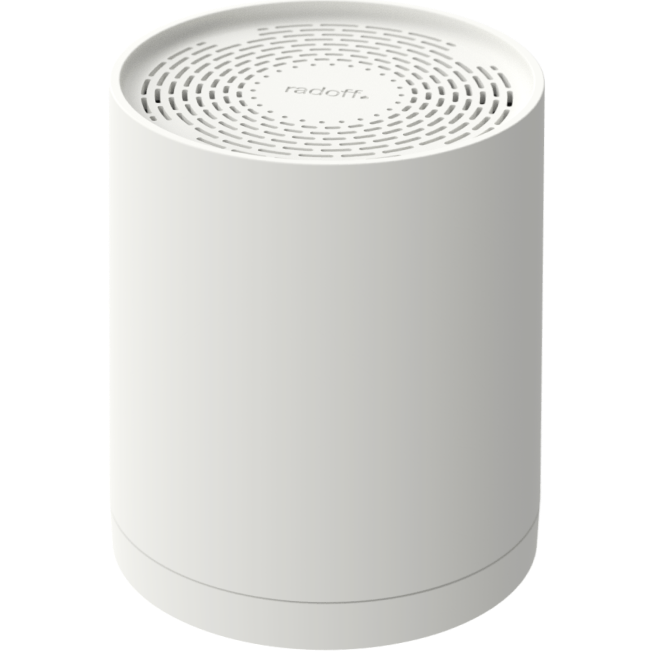
If you run a business and care about the wellbeing of employees and customers, contact us to find the perfect solution for your business.
Contact us: https://radoff.life/form-business