Winter and air quality: why we breathe less well in the cold months

During the winter months, air quality tends to deteriorate in many urban and industrial areas, with significant impacts on health and the environment. This phenomenon is not random, but the result of a combination of meteorological, behavioral, and structural factors.
In winter, thermal inversions are frequent, a situation in which a layer of warm air overlaps a layer of cold air near the ground. This “plug” prevents pollutants from dispersing, leaving them trapped at low altitudes. Furthermore, wintertime brings increased cold, increased hours spent indoors, and, often without realizing it, increased indoor air quality problems. Homes, schools, and offices become places where the air can be more polluted than the outside, with direct impacts on well-being and health.
Insulation and heating are sources of indoor pollution

During the cold months, we tend to close doors and windows to keep in the heat. This habit reduces natural air exchange and encourages the accumulation of indoor pollutants. Stale air remains trapped in rooms, making breathing more difficult and increasing the concentration of harmful substances.
The intensive use of boilers, stoves, fireplaces, and gas stoves is one of the main causes of deterioration in indoor air quality in winter. Wood-burning or pellet stoves, although considered sustainable solutions, can significantly contribute to indoor pollution if used without adequate ventilation systems. Incomplete combustion or poorly maintained systems can release volatile organic compounds and fine particles, which are often invisible and therefore difficult to detect.
In winter, outdoor air is colder and less humid. Once heated, indoor air often becomes too dry, causing irritation to the respiratory tract and dry eyes and skin. Conversely, insufficient ventilation can promote condensation and mold, especially in cold corners of homes, with negative effects for allergy or asthma sufferers.
Indoor pollution: how to prevent health effects
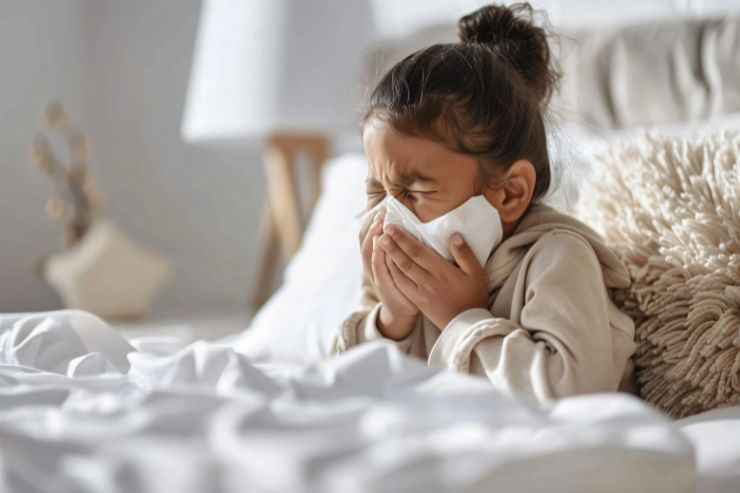
During the winter months, the most common indoor pollutants include fine particulate matter (PM 2.5) produced by combustion and cooking, volatile organic compounds (VOCs) emitted by detergents, furnishings, and air fresheners, and carbon dioxide (CO2), which tends to accumulate in poorly ventilated spaces as an indicator of poor air exchange.
Breathing poor-quality indoor air can cause headaches, fatigue, breathing difficulties, coughs, and irritation, possibly worsening chronic conditions. Children, the elderly, and the frail are particularly exposed to the risks associated with winter indoor pollution.
To reduce the negative effects of poor indoor air quality during the winter months, you can adopt some good daily practices, including ensuring regular air exchange by opening windows several times a day, even for just a few minutes; limiting the use of air fresheners, deodorizers, and chemical cleaners, preferring low-VOC products; avoiding smoking indoors; performing regular maintenance on heating systems, boilers, and stoves to prevent harmful emissions; and controlling humidity (ideally between 40% and 60%) and the main indoor pollutants.
Winter pushes us to seek comfort and warmth, but often at the expense of the quality of the air we breathe every day. Paying attention to indoor air means protecting your health, improving your daily well-being, and making your environments safer, even in the coldest months.
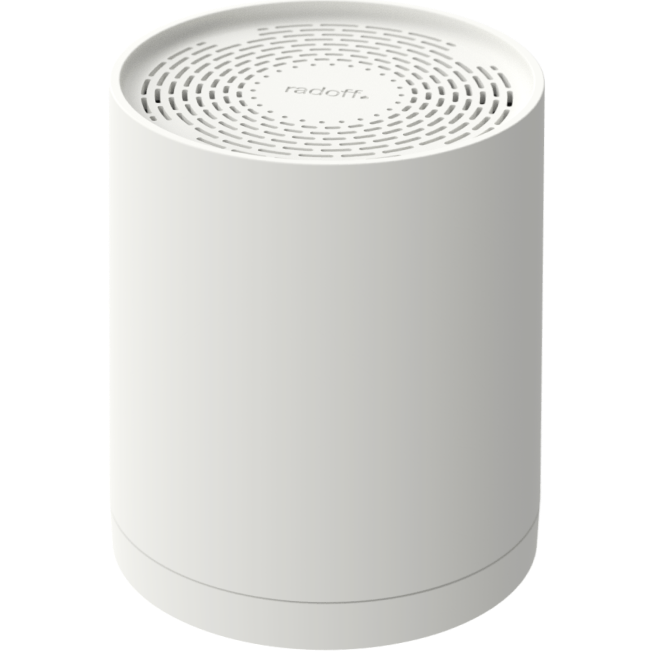
Discover Radoff solutions to stay up-to-date on what you breathe inside your home:

If you have a business and care about the well-being of employees and customers, contact us to find the perfect solution for your business.
Contact: https://radoff.life/en/form-business