Appliances, cleaners, candles and furnishings: the enemies of air in the home
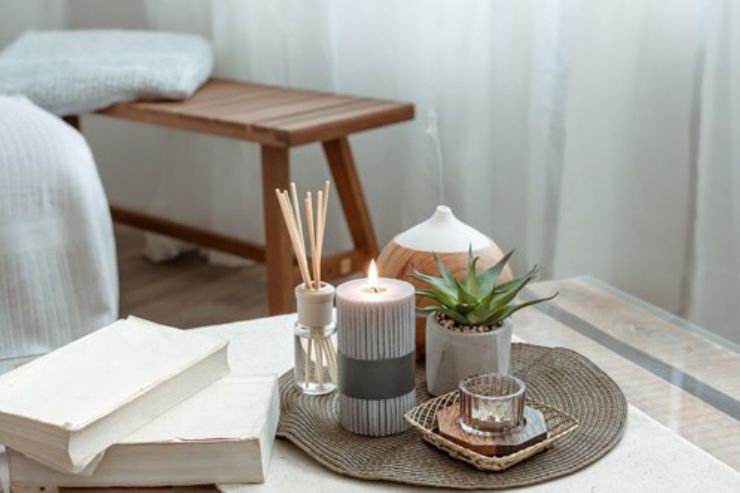
When we think of pollution, we imagine it outside our windows: smog, traffic, factories. Yet, few people know that the air inside our homes can be even more polluted than the air outside. Between appliances, scented detergents, lit candles, and new furnishings, every day we breathe in a mix of chemicals and particulates that can affect our health.
Appliances: not just comfort, but also emissions

Combustion-based appliances, such as gas ovens, stoves, and boilers, can emit volatile organic compounds (VOCs) and fine particulate matter. If not properly ventilated or maintained, these devices contribute to the buildup of toxic substances in indoor air, with effects ranging from headaches to respiratory problems. Symptoms of exposure to these pollutants can be subtle and easily confused with the flu or chronic fatigue: persistent headache, eye irritation, difficulty breathing, fatigue, or confusion.
Regularly ventilating rooms, even in winter, to promote air exchange, performing annual checks on all gas systems, replacing old appliances with more modern and efficient models, and monitoring home air quality are good practices to adopt to prevent health problems.
Detergents and air fresheners: the deception of the clean scent

In most modern homes, daily cleaning is accompanied by multipurpose sprays, scented disinfectants, bleach, air fresheners, and fragrance diffusers. These products give us a feeling of hygiene and freshness, but they often hide an invisible risk: the presence of volatile organic compounds (VOCs).
VOCs are a family of chemicals that evaporate easily at room temperature and disperse into the air we breathe. Some of the most common VOCs found in household products include formaldehyde, found in some air fresheners and fragrances and classified as a carcinogen by the WHO, and benzene, found in some detergents and fragranced products, which can damage bone marrow and increase the risk of leukemia.
Health effects can vary based on individual sensitivity and frequency of exposure. Common symptoms include eye, nose, and throat irritation, headaches, fatigue, difficulty concentrating, and allergic reactions, all of which can affect the hormonal and central nervous systems.
Children, the elderly, and people with respiratory conditions are particularly vulnerable. An excellent strategy is to choose safer and more sustainable alternatives such as natural and certified products, avoid sprays in favor of liquid or solid solutions that evaporate more slowly, and read product labels to look for VOC-free formulations.
Candles and incense: relaxing atmosphere, but polluted air
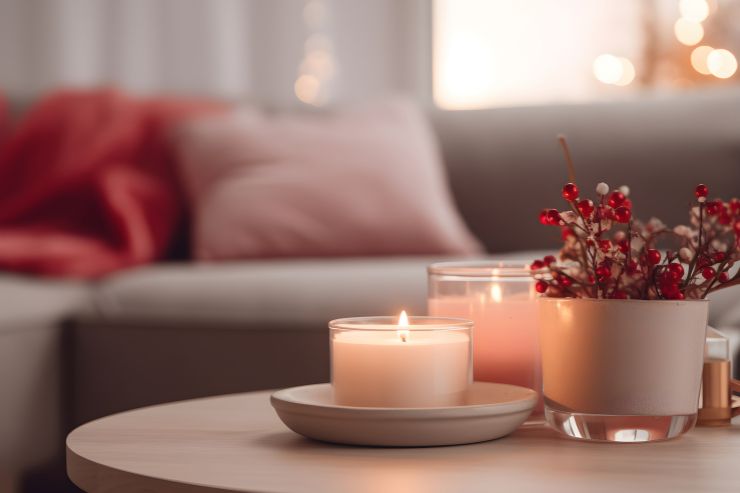
Soft lighting, enveloping scents, scented candles, and incense have become commonplace fixtures in our homes. We light them to create a beautiful atmosphere, to relax, or to mask unpleasant odors. However, behind their sensory appeal lies a lesser-known but potentially dangerous side: their contribution to indoor air pollution.
When burned, candles and incense sticks emit a range of pollutants, including fine particulate matter (PM2.5), microscopic particles that penetrate the lungs and bloodstream associated with cardiovascular and respiratory diseases, and volatile organic compounds (VOCs), often found in artificial fragrances added to make the product more fragrant.
In poorly ventilated spaces like living rooms, bedrooms, or bathrooms, these pollutants accumulate rapidly, especially with frequent or prolonged use. The air may seem fragrant, but it’s actually loaded with harmful substances that affect respiratory health and overall well-being. Those most susceptible are children and infants, the elderly, people with asthma or allergies, and individuals with pre-existing lung conditions.
The quality of the materials used makes a big difference. Candles made with paraffin, a petroleum derivative, tend to release more harmful substances than those made with soy wax, beeswax, or other vegetable waxes. Synthetic fragrances and dyes can also increase the toxicity of the smoke produced.
To enjoy the atmosphere without compromising your health, you should limit the use of scented candles and incense, especially in small, enclosed spaces. Choose natural candles, free of synthetic fragrances and with cotton or wooden wicks, or diffusers with natural, combustion-free essential oils.
The beauty and warmth of a lit candle doesn’t necessarily have to be abandoned, but it’s essential to make more informed choices. A few simple measures are enough to reduce the impact on indoor air quality and protect our health and that of our families.
Furniture and building materials: pollution lives in our homes

When furnishing our homes or renovating spaces, we think about aesthetics, comfort, and budget. Rarely, however, do we consider a crucial yet invisible aspect: the impact of materials on the air we breathe. Yet, many of the elements that make up our spaces, from furniture to flooring, can be a constant source of indoor pollution.
Many modern furnishings, especially low-cost ones, are made of composite materials and covered with laminates or industrial paints. These materials are often treated with formaldehyde-based resins or synthetic glues containing volatile organic compounds (VOCs), which are released into the environment over long periods. Pollution from furnishings and materials is not immediately noticeable: it cannot be seen, it doesn’t always have an odor, and it doesn’t cause short-term acute symptoms. However, chronic exposure to low doses of these substances, especially in closed and poorly ventilated environments, can lead to long-term harmful health effects. Even carpets, rugs, and soft furnishings treated with stain-resistant, waterproof, or antibacterial substances can release chemical residues that accumulate in household dust.
To reduce the risk of breathing polluted air indoors, it’s recommended to choose furniture certified for low emissions, favor natural and unfinished materials, and avoid furnishings with strong or pungent odors. Regularly ventilate rooms, especially when installing new furniture or renovating, use eco-friendly paints and water-based varnishes free of toxic solvents, and vacuum frequently to remove residual particles from surfaces and fabrics.
Our home should be our safest refuge, but we often don’t realize how important the air we breathe is. Recognizing the sources of indoor pollution is the first step to improving our daily well-being. With small, conscious choices, we can truly transform our home into a healthier and more welcoming place.
The first step to taking care of the air we breathe is understanding it through daily monitoring of environmental parameters.
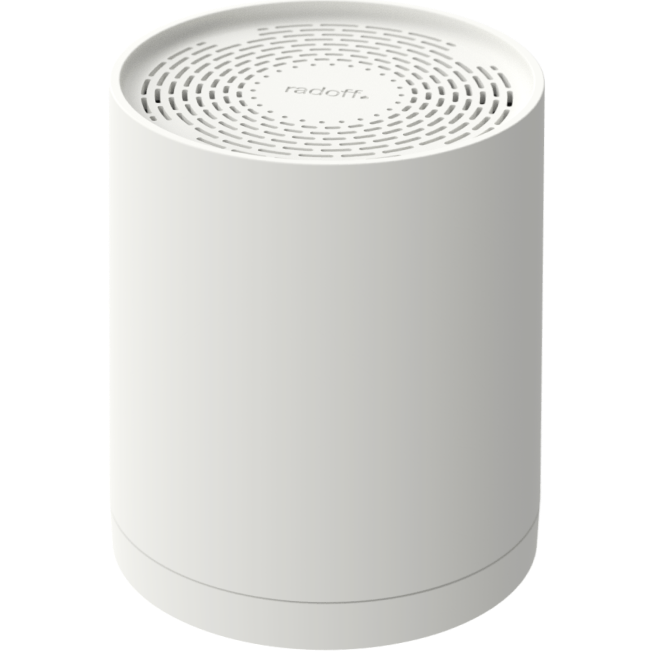
Discover Radoff solutions to stay up-to-date on what you breathe in your living spaces:

If you have a business and care about the well-being of employees and customers, contact us to find the perfect solution for your business.
Contact: https://radoff.life/en/form-business