Do you know that normal daily activities can affect indoor air?

The normal daily activities we perform inside our homes or indoor environments can have a significant impact on indoor air quality. Many often we do not realize that common activities such as cooking, cleaning, using the heater, or even walking across a room can alter the composition of the air we breathe.
Cooking

When we cook, particularly if we use gas or cook food at high temperatures, we release grease particles, vapors, fumes and gases that can rapidly alter the air quality in the kitchen and nearby rooms.
Cleaning

Many detergents and chemicals used for cleaning (such as ammonia, chlorine and solvents) release volatile organic compounds (VOCs) into the air. These pollutants can reduce air quality, causing respiratory irritation, headaches or allergic reactions.
Use of electronic devices

Heating, use of computers, printers and other electronic devices can contribute to an increase in temperature and humidity in a room, creating conditions favorable to the growth of bacteria and mold. In addition, devices that use batteries release small amounts of chemicals into the air.
Cigarette Smoke

Cigarette smoke is a major source of indoor pollution, releasing numerous toxic compounds into the air that affect air quality, causing respiratory health damage and increasing the risk of cardiovascular disease.
Moisture and condensation

Activities such as taking a shower or drying laundry in the home increase humidity in the air, creating ideal conditions for mold growth and bacterial growth. This can reduce air quality, causing respiratory problems and allergies.
Use of heating and cooling system

Heating and cooling systems, such as stoves, air conditioners and gas heaters, can alter room temperature and humidity, increasing the possibility of dust, allergens and particle buildup. In addition, if not cleaned regularly, these systems can spread dust and bacteria into the air.
Physical activity

Doing physical activity but also the simple action of walking or moving around inside a room can raise dust and other fine particles that were previously deposited on furniture and floors. Inadequate ventilation can increase the concentration of these particles in the air.
Perfumes and air freshners

Many air fresheners, scented candles, and household sprays release volatile chemical compounds that can worsen indoor air quality, especially when used in poorly ventilated rooms.
It is evident how the daily activities we do inside the home can affect air quality, but with a few precautions we can keep indoor air healthy for us and those who live there. The first step to maintaining a clean and safe home environment is to constantly monitor what we breathe in our living environments.
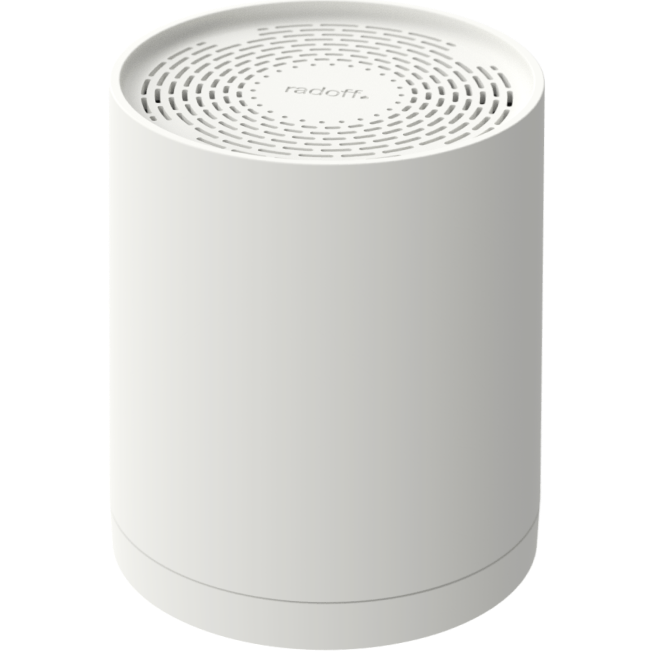
Rely on Radoff to find out what you breathe in your daily life:

If you have a business and care about the well-being of employees and customers, contact us to find the perfect solution for your business.
Contact: https://radoff.life/en/form-business