Preveting asthma and allergies in children by monitoring indoor air
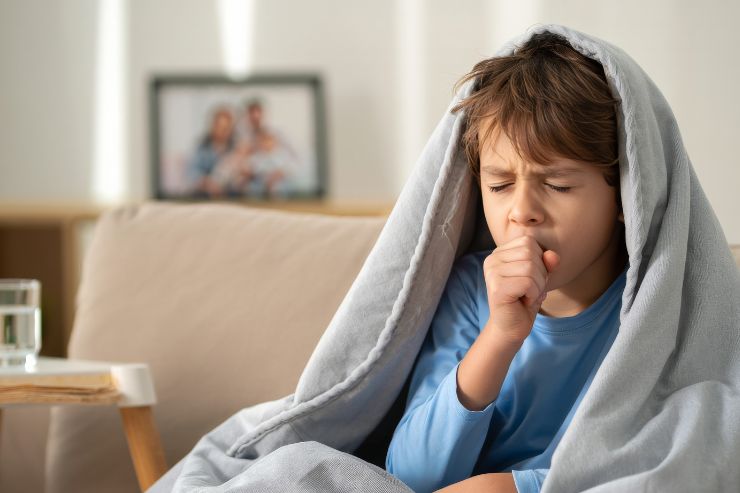
Home should be the safest haven for a child, but for little ones suffering from allergies or asthma, it can turn into a hostile environment. We often worry about outdoor pollution or spring pollen, forgetting that the air within our home’s walls hides invisible and equally dangerous threats.
A child who coughs during the night, wakes up with a stuffy nose, or experiences sudden breathing difficulties is almost always reacting to a sub-optimal indoor environment, where irritants and allergens silently accumulate.
The invisible link between humidity and respiratory crises

The humidity level in rooms, especially in the bedroom, plays a decisive role in the respiratory health of children. When the air is consistently too humid, it creates the perfect habitat for the proliferation of dust mites in mattresses and stuffed animals, as well as favoring the appearance of silent mold in less ventilated corners or behind wardrobes. The spores released by mold and dust mite residue are among the most powerful triggers for childhood asthma attacks. Conversely, excessively dry air dehydrates the protective mucous membranes of the airways, making the child’s throat and nose much more vulnerable to irritation.
In addition to humidity management, the concentration of particulate matter (PM2.5 and PM10) poses a constant threat to developing lungs. These micro-particles, which include household dust, pet dander, and pollutants entering from outside, remain suspended in the air for hours and penetrate deep into the respiratory tract. Continuously breathing this mix forces the child’s immune system into a constant state of defense, drastically increasing the risk of chronic inflammation or acute attacks.
Monitoring as a tool for active prevention

To truly protect children’s health, relying on normal household cleaning is not enough; it is necessary to act in a targeted and timely manner. Using a smart air quality monitor allows parents to turn the invisible into clear data, indicating exactly when humidity exceeds safe thresholds or when fine dust reaches critical levels.
This awareness makes it possible to intervene before an allergic reaction is triggered, by turning on a dehumidifier, starting an air purifier, or opening windows at the strategic moment to ensure children have a space to breathe and grow in total safety.
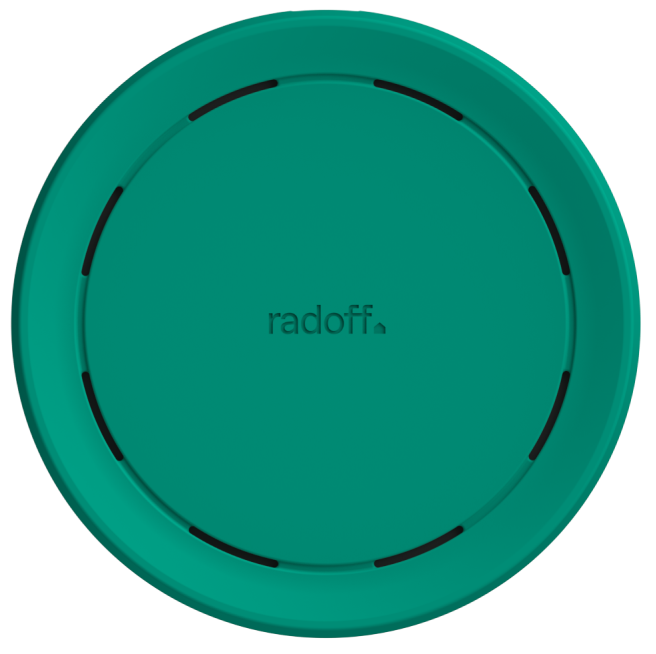
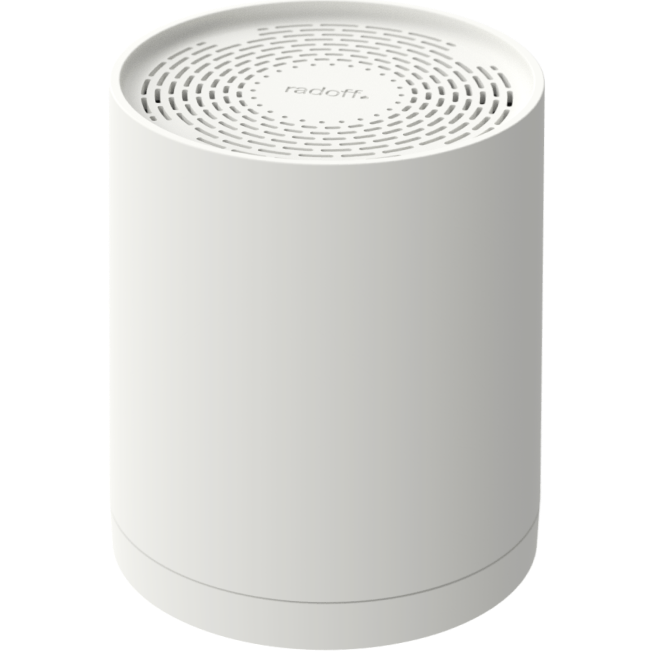
Discover Radoff solutions to stay constantly updated on what you breathe in your living spaces:
If you have a company and care about the well-being of your employees and customers, contact us to find the perfect solution for your business.
Contact us: https://radoff.life/form-business