Radon, mold and CO2: what’s really in the air in your home?

When we think of pollution, we almost always imagine traffic, smog and factories. We tend to underestimate indoor places that actually turn out to be the most polluted environments, just like our home.
Indoor air, which we breathe every day as we cook, sleep, work or play with our children, can contain substances that are invisible but potentially hazardous to our health. These include radon, mold and carbon dioxide (CO2), elements that are often underestimated but capable of compromising daily well-being.
Radon: a silent radioactive gas

Radon is a natural, odorless, colorless gas that is released from underground and can seep into homes through cracks in walls, floors, or pipes.
The World Health Organization (WHO) has identified it as the second leading cause of lung cancer after cigarette smoking. Radon does not give immediate symptoms, but prolonged exposure can have serious effects including the onset of lung cancer.
That is why it is essential to monitor the presence of this gas inside the places where we spend most of our days.
Mold: a moisture (and health) problem
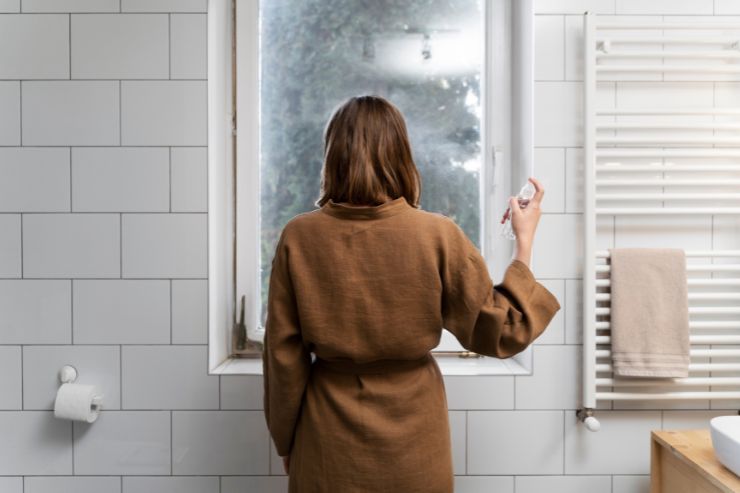
Molds develop in damp, poorly ventilated rooms: bathrooms, kitchens, basements, but also in the walls behind furniture.
They are not just an aesthetic problem. The spores they release can aggravate allergies and asthma, cause eye, skin and respiratory tract irritation, reduce air quality and increase the risk of respiratory infections in frail individuals.
The constant presence of mold and moisture can contribute to what is called Sick Building Syndrome, a condition in which those who live or work in a building develop chronic fatigue, headaches, difficulty concentrating, and widespread irritation.
CO2: a key indicator of air quality
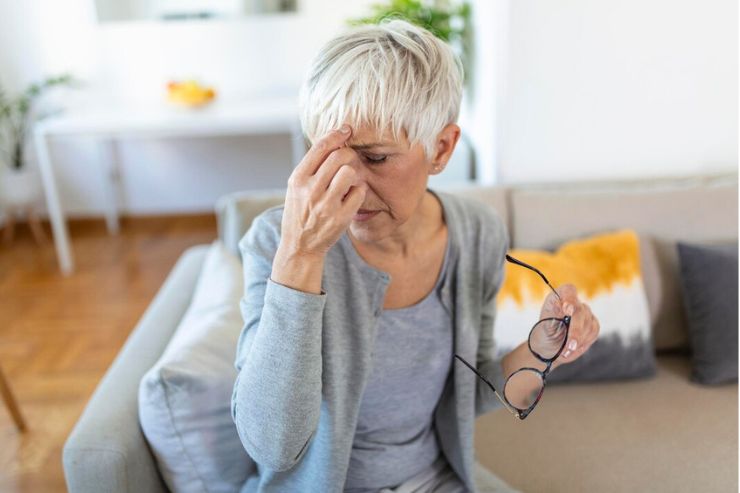
Carbon dioxide is not toxic at normal levels, but an excess of it in indoor environments is a sign of poor ventilation.
When CO2 concentration rises, we feel tired or confused, concentration and performance drop, and the risk of accumulation of other pollutants is elevated.
In fact, scientific studies have shown that high CO2 concentrations reduce decision-making abilities and productivity, especially in environments such as offices, classrooms or bedrooms.
Air quality in the home is not a luxury, it is a necessity

There are good practices that can be implemented to preserve our home and our health such as airing each room regularly, taking immediate action if there is mold or bad odors, preferring natural materials and organic products, and consistently monitoring air quality.
Protecting those you love also starts with what you can’t see. Investing in indoor air quality means building a safer, more serene environment for you and your family.
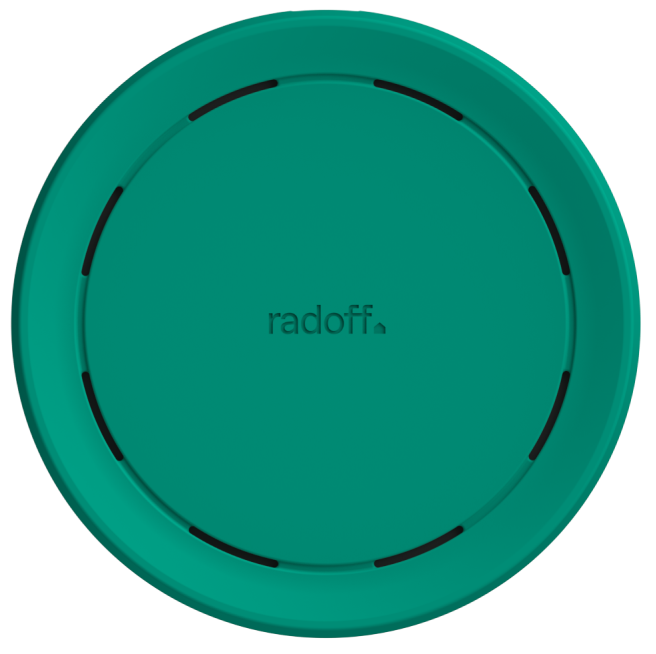
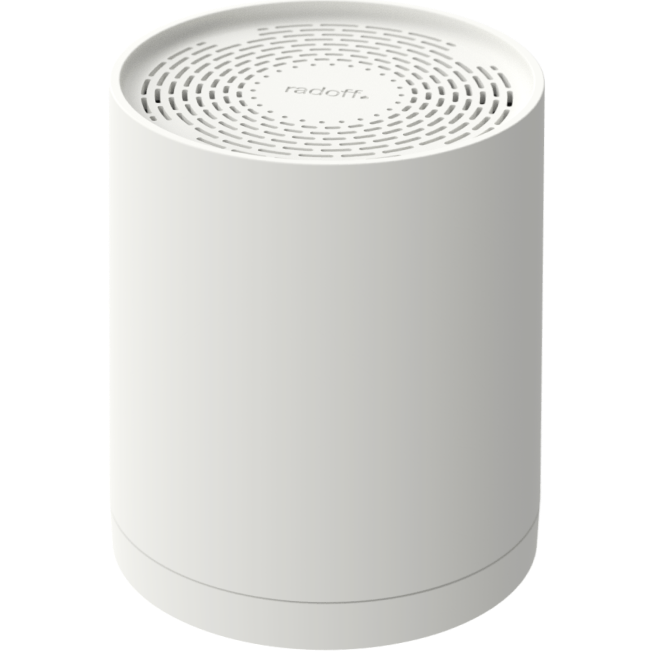
Discover Radoff’s solutions to start monitoring your daily living environments:
If you have a business and care about the well-being of employees and customers, contact us to find the perfect solution for your business.
Contact: https://radoff.life/en/form-business